
Plasma
Technology
Plasma, the fourth state of matter.
Plasma is an ionized gas, often referred to as the fourth state of matter, which can occur naturally (e.g. lightning) or be generated by applying energy to a gas through a controlled electromagnetic field. It consists of highly reactive species such as ions, electrons, and radicals that create an active environment for chemical and physical interactions. Its reactive species primarily interact with the outermost atomic layers of a material, enabling precise surface modification while preserving the bulk properties.
In materials science, plasma is used to tailor surface characteristics by adjusting process parameters, allowing control over properties such as wettability, adhesion, printability, coating affinity, and biocompatibility.
When energy is applied to a solid it becomes liquid, with further energy it turns into a gas, and with even more energy it transitions into plasma. To generate it, a controlled volume of gas is placed inside a chamber and energy is supplied through an oscillating electromagnetic field, whose frequency varies depending on the application and can range from kHz to MHz or even GHz.

What is plasma?
Plasma is a partially ionized gas that also occurs naturally—such as in lightning—and is often referred to as the “fourth state of matter”: when energy is applied to a solid it becomes liquid, with further energy it turns into a gas, and with even more energy it transitions into plasma.
To generate it, a controlled volume of gas is placed inside a chamber and energy is supplied through an oscillating electromagnetic field, whose frequency varies depending on the application and can range from kHz to MHz or even GHz.
Solid
Liquid
Gas
Plasma
Energy
What happens to materials exposed to plasma?
Etching, treatment and deposition: three process classes to tailor any surface.
When a material is exposed to plasma, the reactive species in the gas phase (atoms, radicals, ions) interact with its surface, creating stable interfaces. Covalent bonds form between the plasma species and the substrate, enabling fine customization of surface properties while preserving the underlying material.
Depending on how plasma interacts with materials, three main process classes can be identified.
Etching
The removal of material through the formation of volatile products after interaction with plasma species. It is widely used in microelectronics for fabricating high-resolution integrated circuits, thanks to the anisotropic chemical attack on silicon. Plasma etching also underlies cleaning and sterilization technologies.
Treatment
Grafting of new chemical functionalities onto a material’s surface, with negligible addition or subtraction of mass and without affecting its bulk structure. Plasma treatments are commonly used to impart new surface properties to polymers, paper, textiles and more — converting hydrophobic surfaces to hydrophilic (and vice versa), improving printability, dyeing, metallization and controlling wettability.
PE-CVD
Plasma Enhanced Chemical Vapour Deposition deposits thin (5–1000 nm) organic or inorganic coatings, and is the broadest class of plasma processes. It can tailor surfaces with coatings ranging from teflon-like to silica-like, from superhydrophobic to hydrophilic. The stability of the coating–material interface can be optimized for applications such as corrosion protection and the functionalization of biomedical polymers.

Plasma Solutions from
Lab to Line
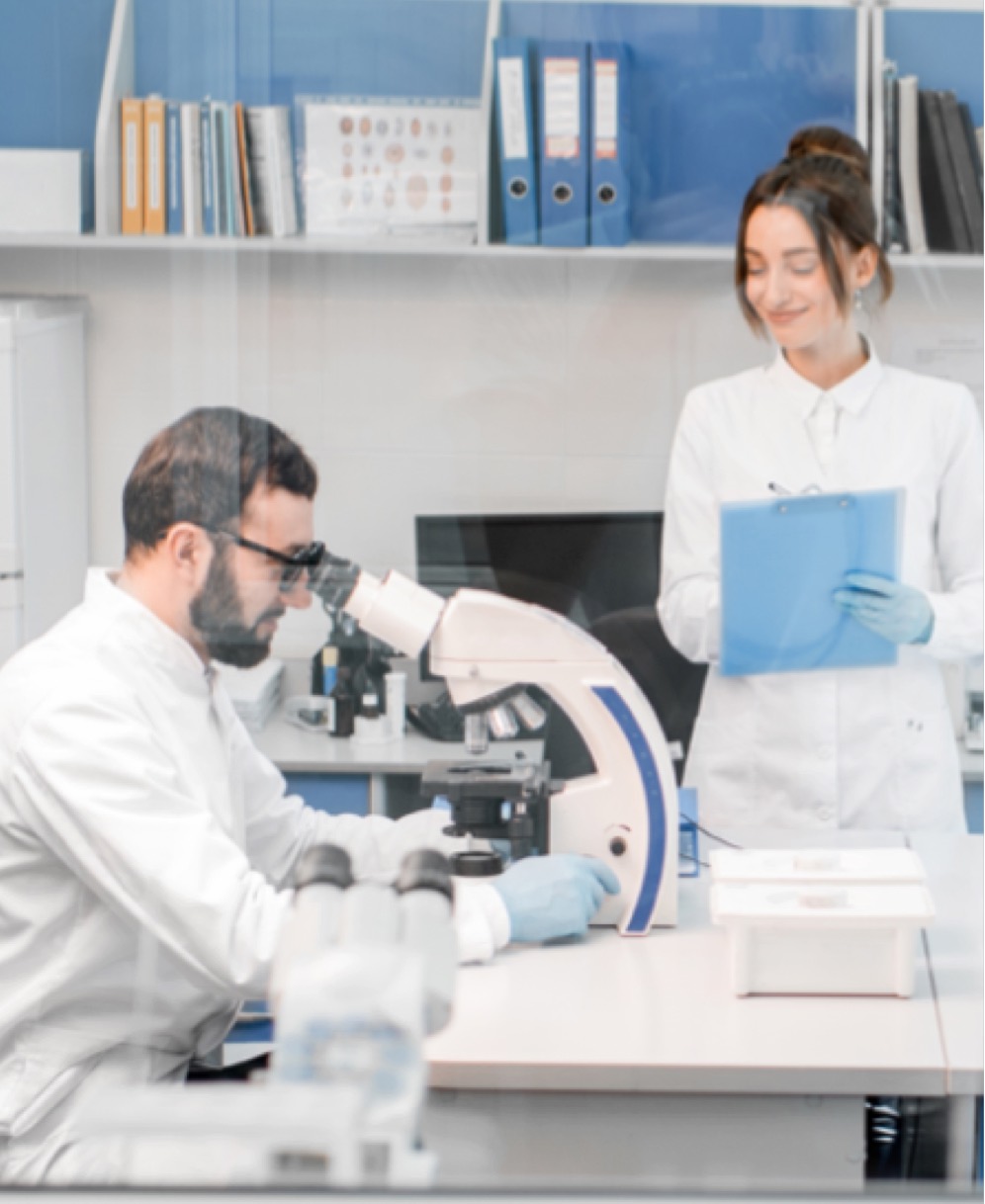
Research
Plasmapps Research and Development Team studies and optimizes industrial solutions based on Cold Plasma Technology.

Engineering
Plasmapps Engineering Team designs and builds Not-standard Reactors.
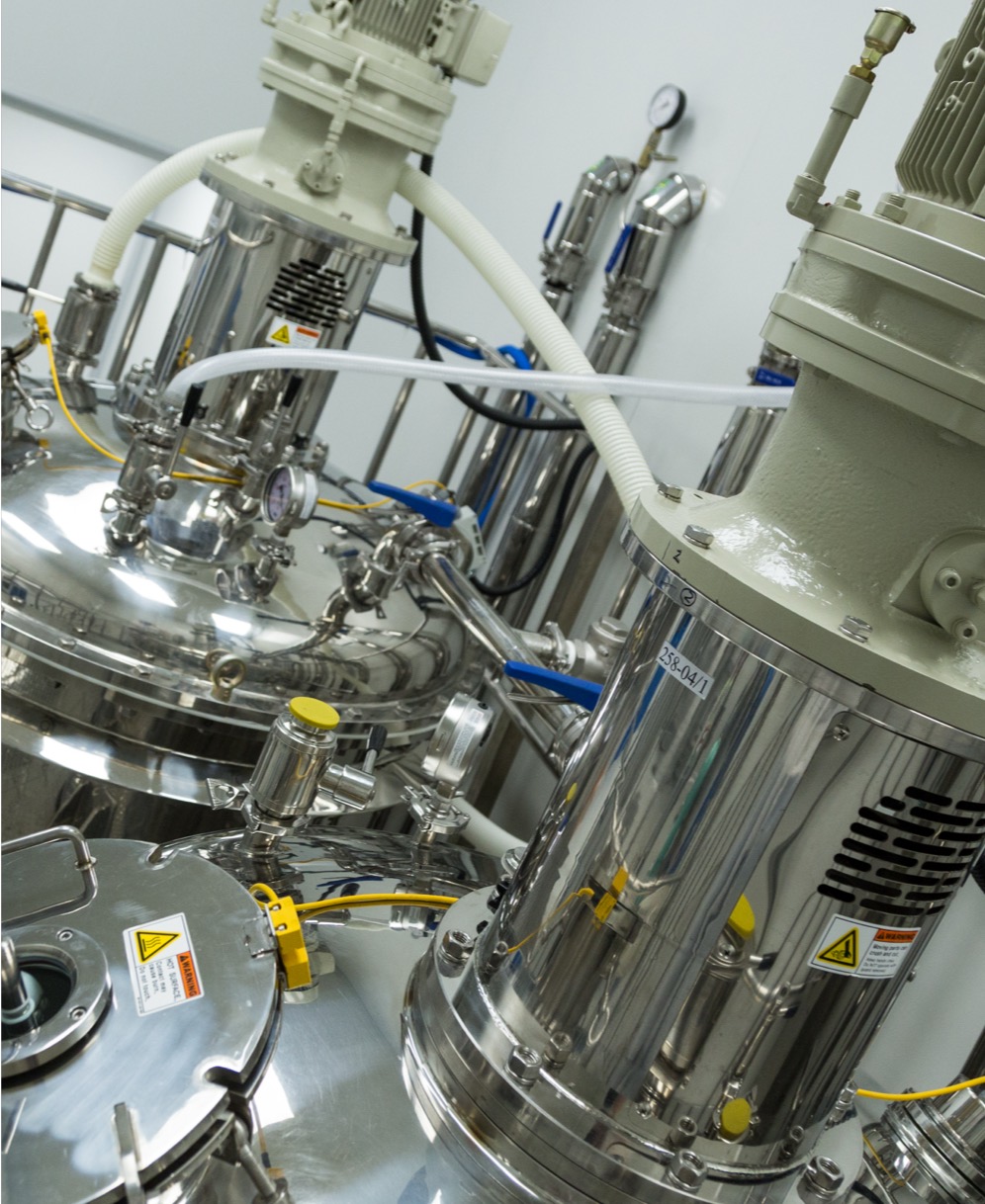
Production
Plasmapps Production Area is a sector of the company responsible for delivering service to customers.